
Green Energy Investhor Zrt. (GEI) has successfully completed the trial operation of its energy storage development in Paks, and the system has, therefore, begun commercial operation. The energy storage facility connected to GEI’s solar power plant in Paks contributes to the more balanced and efficient use of renewable energy generation, while supporting the stability and flexibility of the electricity system. According to GEI, energy storage facilities may play a key role in Hungary in the operation of a renewable energy-based electricity system in the coming years.
1. Clean and renewable energy
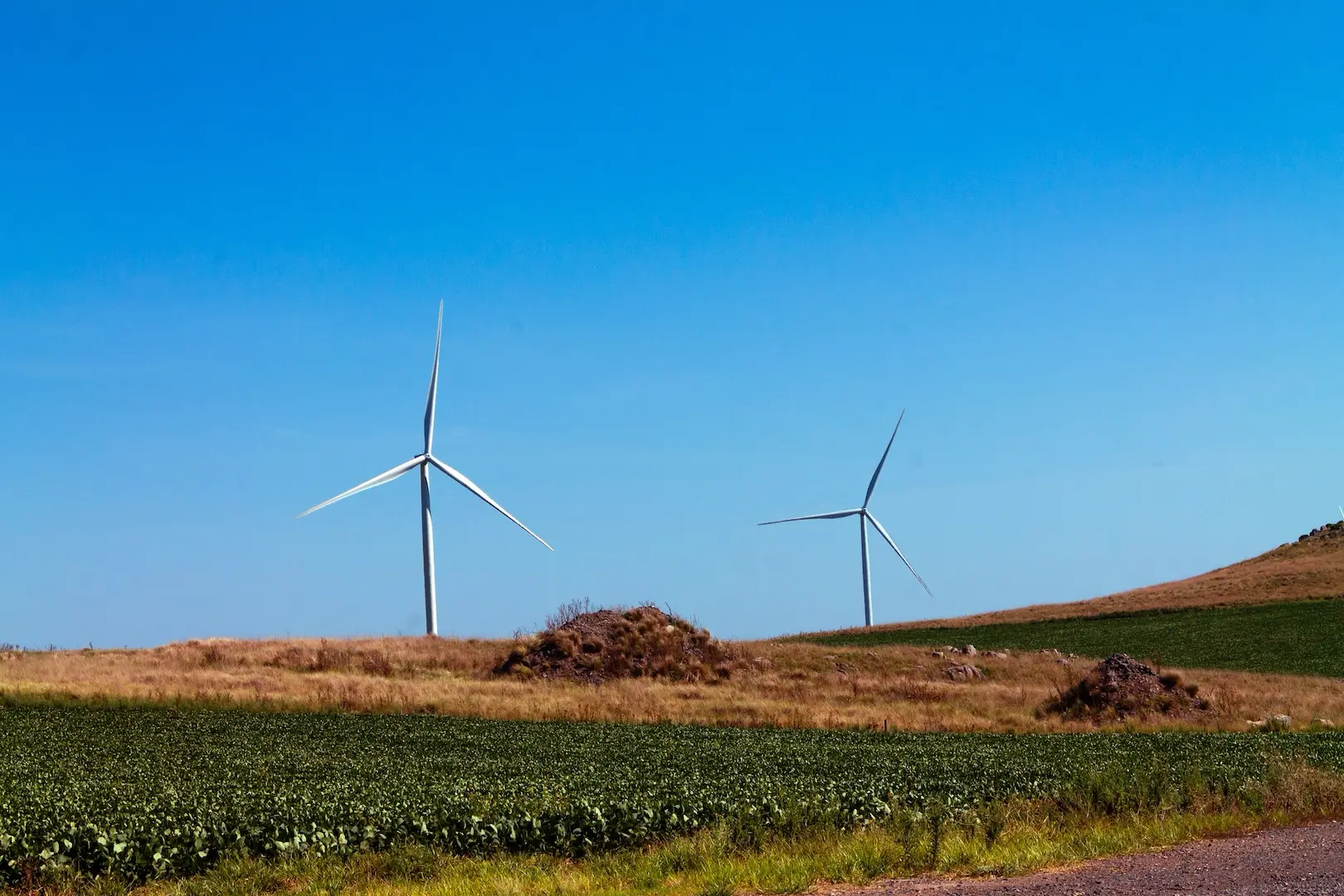
The wind is always blowing somewhere, making it an inexhaustible source of energy. Wind turbines do not pollute the air or emit harmful gases. This helps preserve the values of our environment, offsets the negative impacts of climate change, and ensures cleaner air and a more liveable tomorrow for present and future generations alike.
Green Energy Investhor Zrt. (GEI) is launching a large-scale wind farm development project in the Kisalföld region: the project, planned within a 15-kilometre radius of Vadosfa, will feature 70 state-of-the-art wind turbines, creating a total of 499 MW of new installed capacity and is expected to generate 1,200 GWh of electricity annually. The investment is already at the construction permitting stage. The project will nearly triple Hungary’s current installed wind capacity of around 330 MW, representing a meaningful step in expanding the country’s renewable energy production and greening its energy mix.
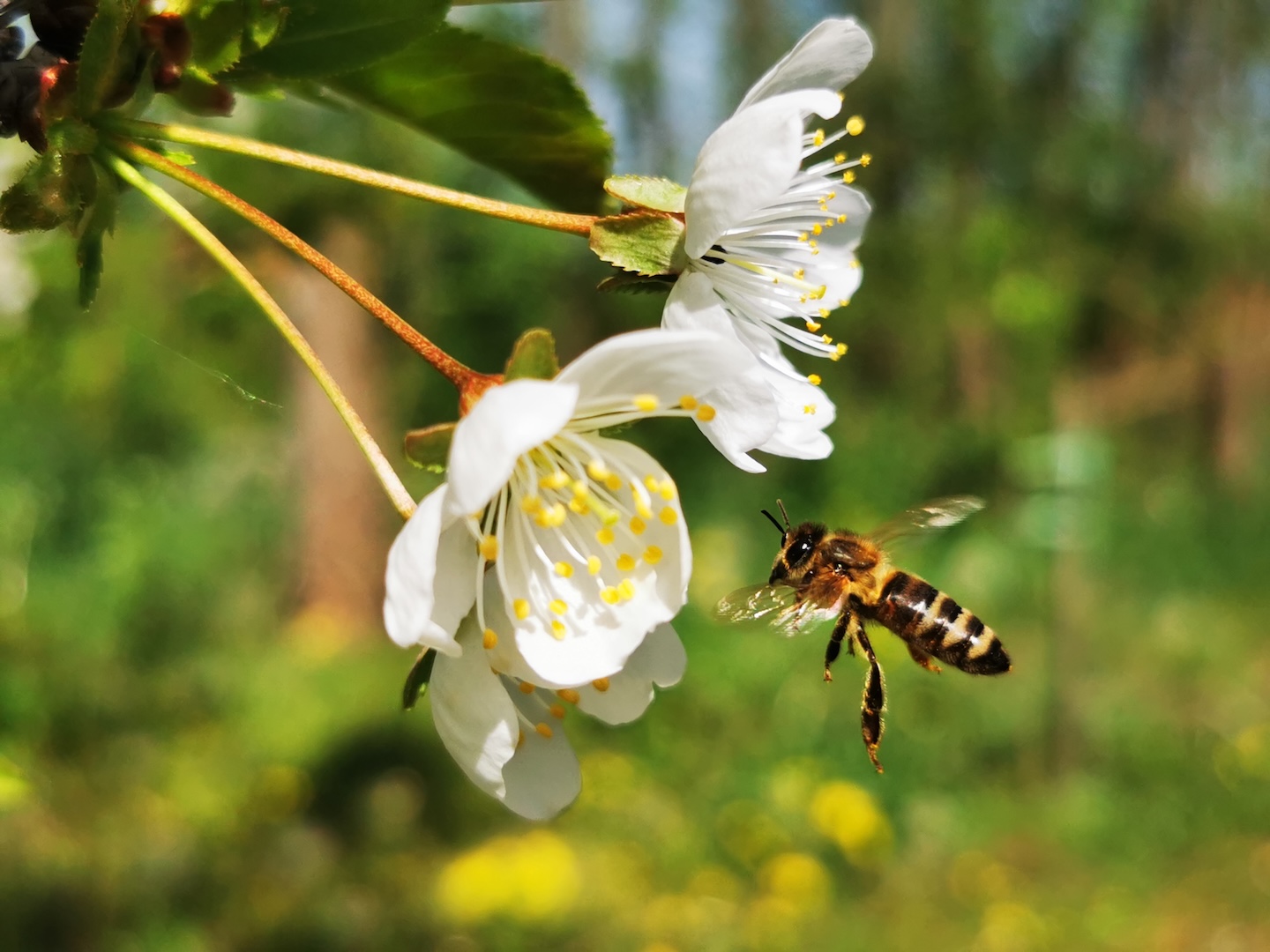
The rise of renewable energy sources, especially the construction of wind farms, is vital for energy security and the future of our planet. But how does the new infrastructure affect the life of one of the most important ecosystem service providers, bees?
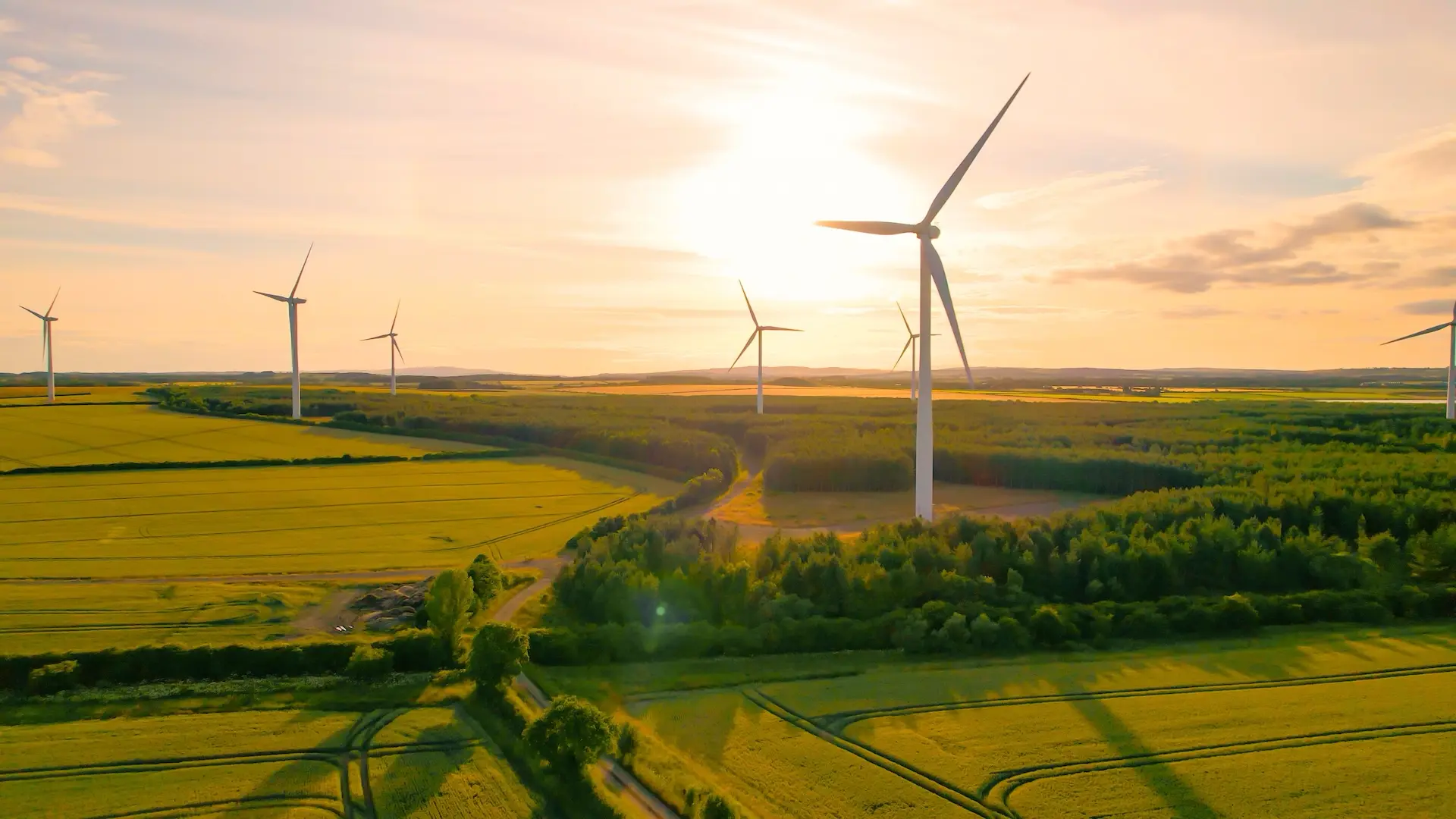
Over the past decade and a half, no new wind farm developments have been able to take place in Hungary, but thanks to the regulatory changes introduced in 2023, the country can once again open the way for wind energy. The aim is to triple domestic capacity by 2030 – while the technology is now far safer, more efficient and more environmentally friendly than before.
Below, we have collected the most important things to know about wind turbines and explain how they actually work.
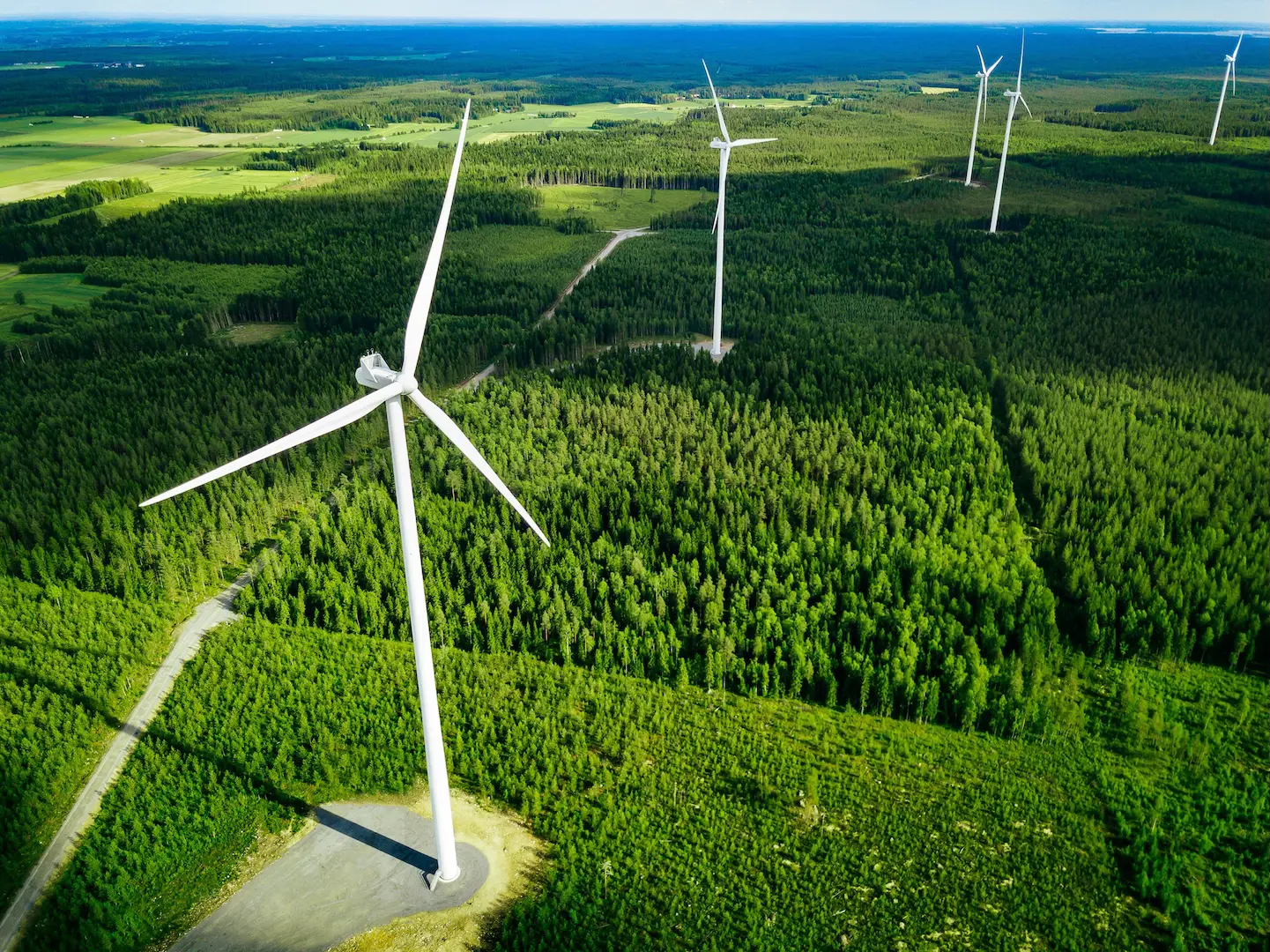
To understand the role of wind energy in Hungary’s energy production, it is worth briefly reviewing the country’s energy mix – particularly the relationship between solar and wind energy.